17 Cheshvan, 5784 / 31 October, 2023
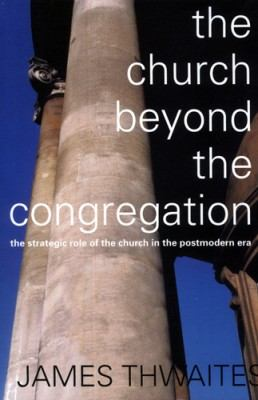
Sometimes a book comes along which doesn’t just challenge but at a fundamental level provokes a complete reboot of the operating system! ‘The church Beyond the Congregation’ by James Thwaites is one such book which has had a profound effect on me.
Thwaites has beaten through the undergrowth and laid out new trails through which the Body of Christ can track in our post modern era. Going back to the early 2000s when I lived in the city of Leeds in the UK we were very influenced by Thwaites’ theology. I remember one meeting when a clear prophetic word was given to the gathered church which I was a part of then- to paraphrase: “This is the church which has to die!” Not die to the spiritual life of the Holy Spirit indwelling our community but dying to old, outmoded constructs and reimagining being the people of God together.
What this book calls for is a revolution: a complete paradigm shift in the way the followers of Jesus relate to creation. Thwaites writes:
My conviction is that the post modern period gives the Christian and the church the ability to come out from under centuries of Greek influence and take hold of the worldview God intended us to have all along. That worldview is the one given by God to the Hebrew people. It is the vision of life carried forward by Jesus and Paul and it formed the foundation and set the context for all that they said and did.” (p5)
-The Church Beyond the Congregation (Paternoster Press)
After this he hits the nail onto the head of the target: as the spiritual realm was divided from the created realm, it led to an overemphasis on the congregation focused approach to church life.
…we, as saints, still remain focused on the building, the meetings and the programmes we call ‘church.’ (ibid)
James Thwaites emerged out of the well known Hillsong’s church movement (famous for its worship music brand) in Australia at one time being the Director of its Biblical Studies Faculty. It is tragic that he contracted early onset dementia in recent years and I hope this analysis in the blogs which follow are a suitable tribute to a very important theological outlook.
Next time: Chapter 2 “Where have we come from?” charting what caused this faulty worldview to develop.

© Stephen Paul Jacob

 Image Bearers
Leave a comment